
Top 5 Companies for Cloud and AI Integration Using AWS
AWS now functions as a foundational layer for modern digital infrastructure. Companies no longer rent virtual servers and call it a day. They build scalable systems, data pipelines, and AI-driven products directly on top of AWS services.
Migration alone won’t cut it anymore. Businesses need partners who design architecture, integrate AI, and manage costs without constant firefighting. Choosing the right AWS partner is a strategic decision, not a procurement exercise. According to our data, the wrong partner costs you time and money.
What AWS Actually Means for Modern Businesses
Think of AWS not as “cloud hosting” but as a sprawling ecosystem. Compute, storage, AI tools, data processing, and maybe fifty other services you haven’t touched yet. Most companies struggle to use it fully without dedicated expertise.
AWS creates real opportunities. It also adds serious complexity. You don’t just turn it on and walk away. Typical areas where companies need support include:
- Cloud infrastructure design and scaling;
- Data pipeline setup and management;
- AI and machine learning integration;
- Cost optimization and resource control;
- Security and compliance within cloud environments.
AWS is powerful stuff. But without structured implementation, you won’t see the value.
Why Companies Look for AWS and AI Integration Partners
Internal teams rarely possess deep AWS expertise across every layer: infrastructure, data, AI, and DevOps all at once. Building that knowledge in-house takes years. It’s slow, expensive, and frankly a distraction from your actual product.
External partners accelerate development and cut risk. We’ve seen this pattern repeat across hundreds of projects. Typical reasons for hiring AWS consulting companies include:
- Faster cloud migration and system deployment;
- Access to experienced cloud architects and engineers;
- Integration of AI into existing products;
- Reduction of infrastructure costs and inefficiencies;
- Long-term scalability and system stability.
Companies hire partners for execution, sure. But the smart ones also want strategic guidance.
What to Look for in an AWS Consulting Company
Not all AWS partners deliver the same quality. Some barely pass the certification test. Others have built systems you’ve actually heard of. You need to match their capabilities to your goals: AI, data, scaling, whatever matters most.
Key evaluation criteria to consider before signing anything:
- AWS certification level and partnership status;
- Experience with AI and data-driven systems;
- Portfolio across relevant industries;
- Ability to handle both architecture and implementation;
- Approach to cost optimization and long-term support.
The right partner depends on alignment with your business goals. Technical credentials alone won’t save a bad fit.
Top 5 Companies for Cloud and AI Integration Using AWS
The five companies below take different approaches. Some act as flexible development partners. Others focus on data or infrastructure. Each suits specific use cases rather than trying to be everything to everyone.
Geniusee
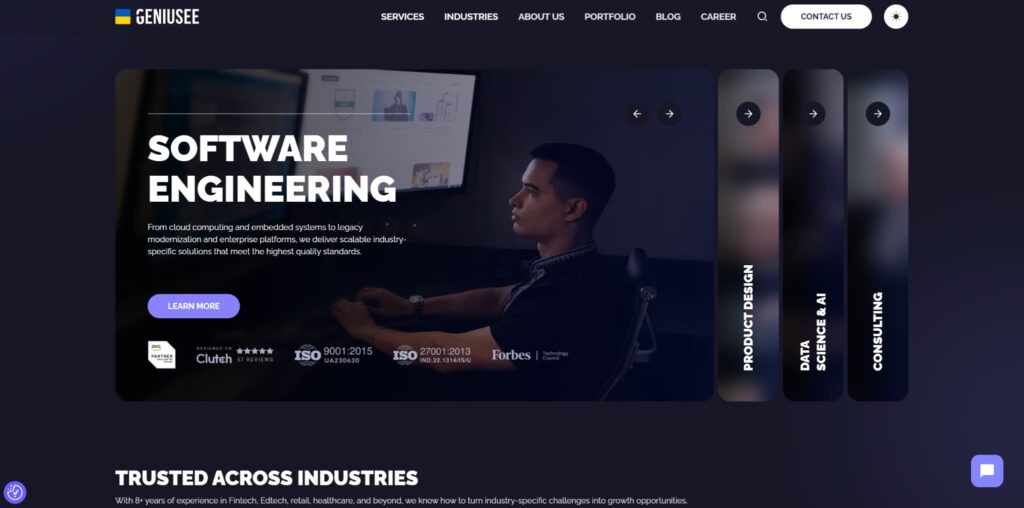
Geniusee started in 2017 as a software development and cloud partner. They now employ 300+ specialists and have delivered 180+ projects. The company positions itself as flexible: they work with startups and enterprise clients alike. Their focus includes AWS-based infrastructure, AI integration, and custom development. Certifications include AWS Advanced Tier, ISO, and ISTQB. Industries they know well: FinTech and EdTech among others.
Capabilities and Focus
Geniusee combines cloud engineering with practical AI solutions. They don’t just migrate workloads. They build production-ready systems on AWS that actually scale and behave well under load. Key areas of expertise include:
- AWS cloud consulting and infrastructure design;
- AI and machine learning integration into business workflows;
- Data engineering and analytics pipelines;
- Cloud-native application development and DevOps practices.
According to our analysts, Geniusee fits companies that need technical execution plus strategic guidance. Especially when cloud infrastructure and AI features must work together seamlessly.
Best Fit and Use Cases
Geniusee works well for startups scaling on AWS. They also suit mid-sized and enterprise companies building AI-enabled platforms. We see strong alignment in EdTech, FinTech, and SaaS product development.
Xebia
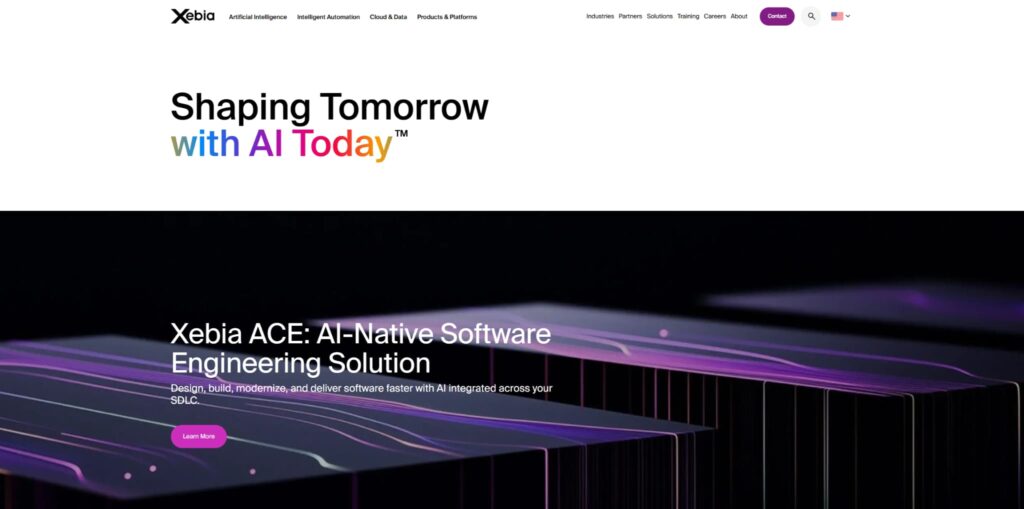
Xebia operates as a global consulting company focused on cloud, data, and AI. They have a strong reputation inside AWS ecosystems, especially for enterprise transformation projects. Their expertise lies in data-driven architectures and AI adoption within cloud environments.
Capabilities and Focus
Xebia connects cloud infrastructure with data and AI solutions. Their enterprise orientation shows up in every deliverable. They follow structured implementation methods rather than hacking things together. Main capability areas include:
- AWS cloud architecture and migration services;
- Data platform development and analytics infrastructure;
- AI and machine learning deployment;
- Enterprise-level cloud transformation strategies.
For large organizations that need structured cloud and data transformation, Xebia makes a lot of sense.
Adastra
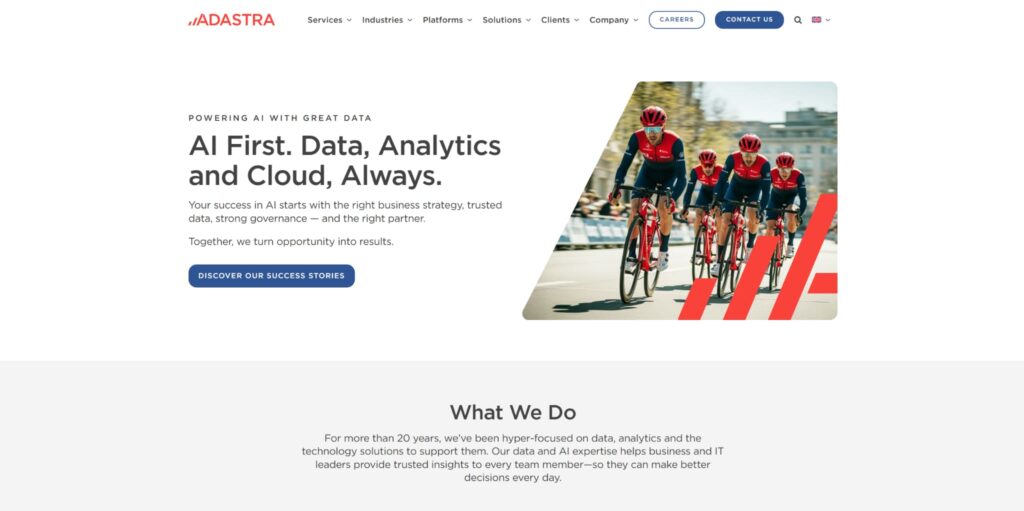
Adastra specializes in data engineering, analytics, and cloud transformation. They align tightly with AWS for building data platforms and AI-driven analytics systems. Their work emphasizes data monetization and enterprise insights, not just storage.
Capabilities and Focus
Adastra puts data infrastructure and analytics front and center in their AWS work. They don’t treat data as an afterthought or a second-class citizen. Their expertise spans several connected areas:
- Data lake and data warehouse architecture on AWS;
- Advanced analytics and business intelligence solutions;
- AI-powered data processing and modeling;
- Secure and scalable data pipeline implementation.
If data and analytics drive your business decisions, Adastra fits the bill. If not, maybe look elsewhere.
Mission Cloud
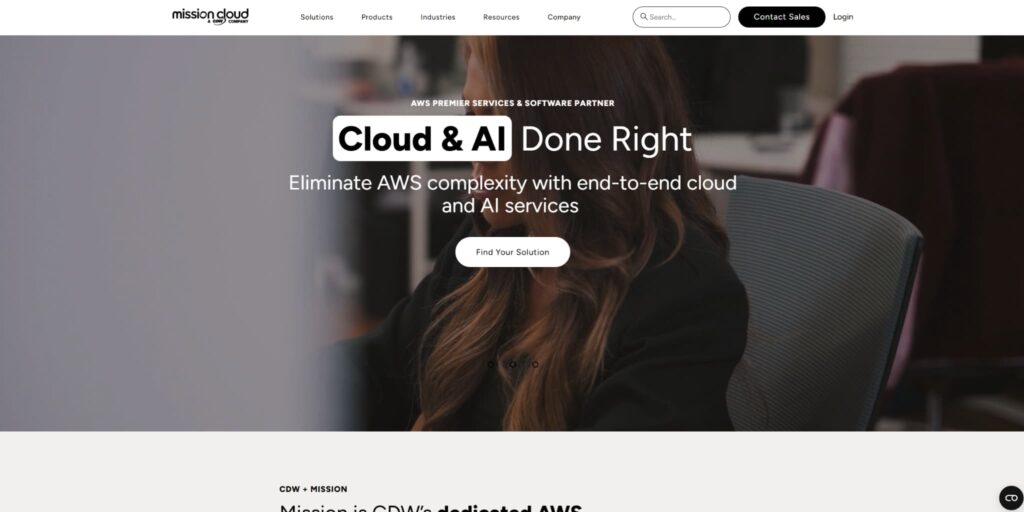
Mission Cloud is an AWS-native consulting partner. They focus on cloud migration, optimization, and managed services. Their strength lives inside AWS ecosystem tools and infrastructure reliability rather than flashy AI experiments.
Capabilities and Focus
Mission Cloud prioritizes infrastructure reliability, cost efficiency, and performance optimization inside AWS environments. They won’t pitch you on machine learning unless you actually need it. Their core services include:
- AWS migration and cloud modernization;
- Infrastructure monitoring and performance optimization;
- Managed cloud services and support;
- Security and compliance within AWS environments.
For companies focused on stable infrastructure rather than heavy AI development, Mission Cloud works well. Simple as that.
DoiT
DoiT focuses on cloud optimization and FinOps. They work with AWS and Google Cloud both. Their expertise centers on cost management and performance tuning for large-scale cloud environments.
Capabilities and Focus
DoiT helps companies control cloud costs while maintaining performance. According to our data, cloud spend often spirals out of control within six months without proper oversight. Their key strengths include:
- Cloud cost optimization and FinOps strategies;
- AWS infrastructure performance tuning;
- Automation and resource management;
- Cloud usage analytics and reporting.
Companies scaling infrastructure with tight cost constraints will find DoiT useful. Everyone else should still check their monthly bill.
How to Choose the Right AWS Partner
Your business goals determine the right partner, not a feature checklist. Different providers bring different specialties. Some crush infrastructure. Others own AI or data engineering. Match their focus to your project requirements or prepare for disappointment.
Key criteria to evaluate before making a decision:
- Level of AWS certification and partnership;
- Experience with AI and data integration;
- Industry-specific expertise;
- Ability to scale infrastructure and optimize costs;
- Support model and long-term collaboration approach.
The right partner ensures a successful migration and long-term scalability. The wrong partner ensures endless meetings about why nothing works.
Final Thoughts
AWS now serves as the foundation for both cloud infrastructure and AI-driven systems. Different companies offer different strengths: enterprise consulting, data-focused solutions, flexible development partners. Your choice depends on business goals, technical complexity, and growth plans. There’s no single “best” partner. Just the right fit for your specific situation. Choose carefully.